
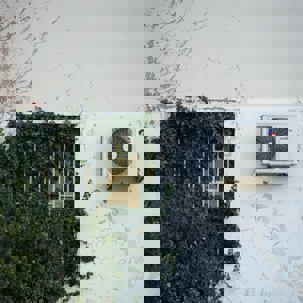
In Las Vegas, your AC isn’t a luxury — it’s survival gear. Triple-digit heat from May through October means your system runs harder and longer than almost anywhere else in the country. That kind of workload demands more attention than the average HVAC advice will tell you.
Once a Year — At Minimum
For most Las Vegas and Henderson homeowners, professional AC maintenance should happen at least once a year. The best time to schedule it is late February or March, before the heat arrives and before every HVAC technician in the valley has a packed calendar. A pre-season tune-up gives your system a clean bill of health before it’s running flat-out every day for months.
That said, some homes genuinely need service twice a year. If your system is eight or more years old, has a history of issues, or works overtime cooling a large space, biannual visits make sense. The same goes for homes with multiple pets (fur clogs filters fast), properties sitting near open desert lots where dust and debris are a constant, or any commercial building with high occupancy and long operating hours.
One more thing worth checking: if your system is still under the manufacturer’s warranty, read the fine print. Many warranties require documented annual maintenance to stay valid. Skipping service could mean paying out of pocket for a repair the warranty was supposed to cover.
What a Tune-Up Actually Covers
A proper maintenance visit is more than swapping a filter and calling it done. Here’s what our technicians check during a full service visit:
- Coil cleaning: dirty evaporator and condenser coils force the system to work harder and cool less effectively — one of the most common causes of high energy bills.
- Refrigerant levels: low refrigerant is a sign of a leak, not just a top-off situation. We check levels and inspect for the root cause.
- Electrical components: capacitors, contactors, and wiring connections wear out over time. Catching a failing capacitor early costs a fraction of what a compressor failure will.
- Airflow and thermostat calibration: restricted airflow strains the blower motor; a miscalibrated thermostat causes the system to short-cycle or run longer than it should.
- Ductwork inspection: gaps or damage in accessible ducts bleed cooled air into attics and wall cavities — spaces you’re not trying to cool.
Every visit ends with a plain-language summary of what we found and a written estimate for any additional work before anything is done. No surprises, no pressure.
What Happens If You Skip It
This is where homeowners often underestimate the real cost of putting service off. In a climate like Las Vegas, skipping maintenance doesn’t just mean a slightly less efficient system — the consequences compound.
A dirty or poorly maintained system has to run longer to reach your set temperature, which shows up directly in your electricity bill over a long summer. Small problems — a weakening capacitor, a partially blocked coil, a refrigerant level that’s slightly off — are quick and inexpensive to address during a routine visit. Left alone, they tend to escalate. Capacitor replacements are affordable. Compressor replacements are not, and a failed compressor often means it’s more cost-effective to replace the entire unit.
There’s also the lifespan question. AC systems in Southern Nevada already face conditions that accelerate wear. With regular maintenance, a well-made system can run reliably for 15 years or more. Without it, you may be looking at replacement closer to the 8- or 10-year mark — a significant difference in value from an investment that isn’t cheap to make.
Finally, a neglected system doesn’t just cost more — it performs worse. Uneven cooling, more airborne dust, and a unit that struggles on the hottest days of the year are all signs of a system that needed attention it didn’t get.
Simple Steps to Do Between Visits
Professional maintenance handles the deep work, but a few habits between visits go a long way:
- Replace filters every 1–2 months: in a dusty desert environment, filters clog faster than manufacturers’ generic guidelines suggest.
- Keep the outdoor unit clear: remove debris, trim back vegetation, and make sure nothing is blocking airflow around the condenser.
- Pay attention to your energy bill: a sudden increase without a change in habits is often the first sign something is off with the system.
- Listen for unusual sounds: banging, rattling, or persistent clicking when the system starts are worth a call before they become bigger problems.
The Bottom Line
Schedule AC service every spring, before the heat sets in. Adjust to twice a year if your home, system age, or location calls for it. The cost of a tune-up is a fraction of what an emergency repair or premature replacement will run you — and in Las Vegas, the window between “minor issue” and “emergency” closes fast once the temperature climbs.
If you can’t remember the last time your system was serviced, that’s your answer.